Few magical items in Dungeons & Dragons come with such intense risks and game-breaking rewards as the Deck of Many Things. The impact one of these decks can have at a table cannot be understated as they instantly alter reality for better or — more often than not — for worse.
Announced back in May by D&D publisher Wizards of the Coast, the Deck of Many Things boxed supplement due out November 14 takes a deep dive into the Deck’s lore and history while enhancing it with additional cards and a variety of other gameplay options. During an exclusive press preview recently, I was privy to a presentation by game designers Makenzie De Armas and Jason Tondro about how the new set will become a powerful asset for any Dungeon Master looking to introduce a bit of chaos and risk to their table.
What Is the Deck of Many Things?
The original Deck of Many Things was designed as part of Greyhawk, D&D’s first supplement in 1975. While it’s certainly been adjusted in the many years since, the core structure and function remains mostly the same.
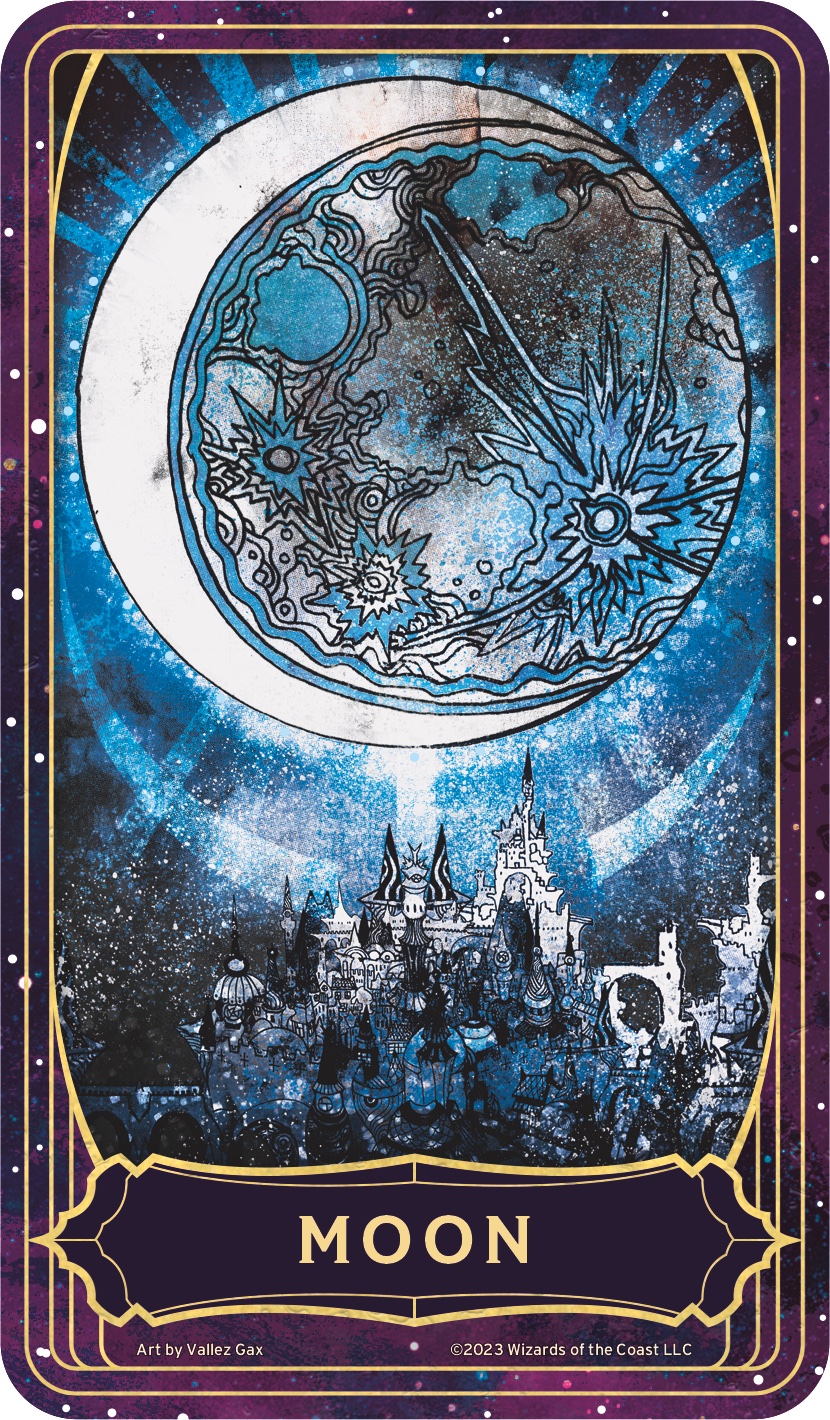
Heavily inspired by real-life tarot and oracle decks used for fortune-telling, the Deck of Many Things includes familiar cards like “Jester” and “Moon.” Except within the D&D multiverse, each card has been imbued with powerful, reality-warping magic. Depending on the size of the Deck used it can be anywhere between 13 and 22 cards.
About half offer mostly positive outcomes, like the Moon Card that allows you to cast the Wish spell 1d3 times (essentially allowing you to do anything you want). Wish for a fortune in gold or even wish a friend back to life. The possibilities are almost endless.
The other half of the deck delivers devastating consequences, like a duel against the Avatar of Death if you draw the Skull Card or the Talons Card that destroys every magical item in your possession.
It’s a real doom or boon situation typically reserved for higher-level play, particularly when The Void Card can suck your soul right out of your body, spurring your companions on an entire adventure just to save it.
What Is the Deck of Many Things Boxed Set?
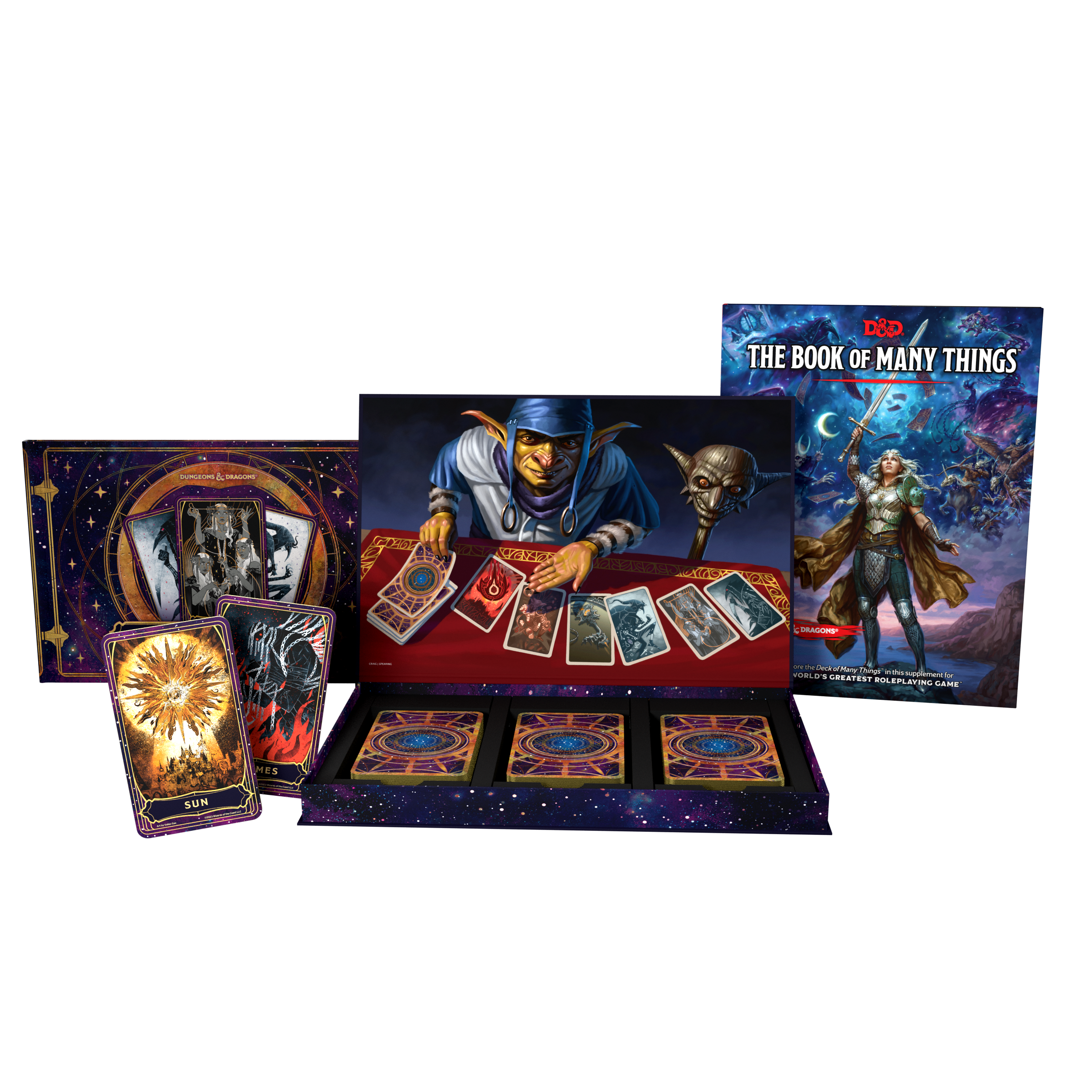
The Deck of Many Things boxed set extrapolates the core concept of the deck into a DM resource and adventure book like no other.
Naturally, the most attractive piece is the lavishly illustrated cards for the Deck of Many Things, which includes an additional 44 new cards (potentially tripling the size of the Deck). This “Deck of Many More Things” allows the DM to restructure and customize their own Deck of Many Things for an appropriate intensity of “curated chaos.”
“You can make it as chaotic and destructive as you want, toning it down so it’s not as devastating,” said Game Designer Makenzie De Armas.
An 80-page card reference guide describes every card in great detail and also offers meanings and methods for using the Deck as a fortune-telling oracle deck. Each card details a person, place, treasure, monster, and situation with other variations if the card is reversed or upside down. The DM can use this to outline an adventure on the fly or even use the same resources should the players visit a fortune teller in-game.
The Book of Many Things is a 192-page sourcebook “advice, adventure locations, and new monsters for Dungeon Masters, as well as character options, magic items, and organizations for players, all inspired by the deck.” Similar to previous books like Tasha’s Cauldron of Everything, it has a ton of delicious goodies for DMs to use in their games, all curated from a specific narrative point of view.
How Were the New Cards Created?
“Every single one of these 44 new cards has a new mechanical effect that is on par with the existing mechanical effects of the 22 original cards,” promised De Armas, who added that many of the new cards are suited to various styles of play. Some emphasize role-playing and others fabricate a certain kind of social encounter.
“You will have cards that just straight up impact ability scores and increase your numerical ability as a character,” she said. “And then you have those cards that have those more tricky elements that open extra-dimensional pits beneath you or whisk your soul away or petrify you.”
One of the most interesting tidbits from the press preview is a breakdown of how the 44 new cards were structured. The team used the following four cards to demonstrate new card types: Priest, Lance, Dragon, and Door.
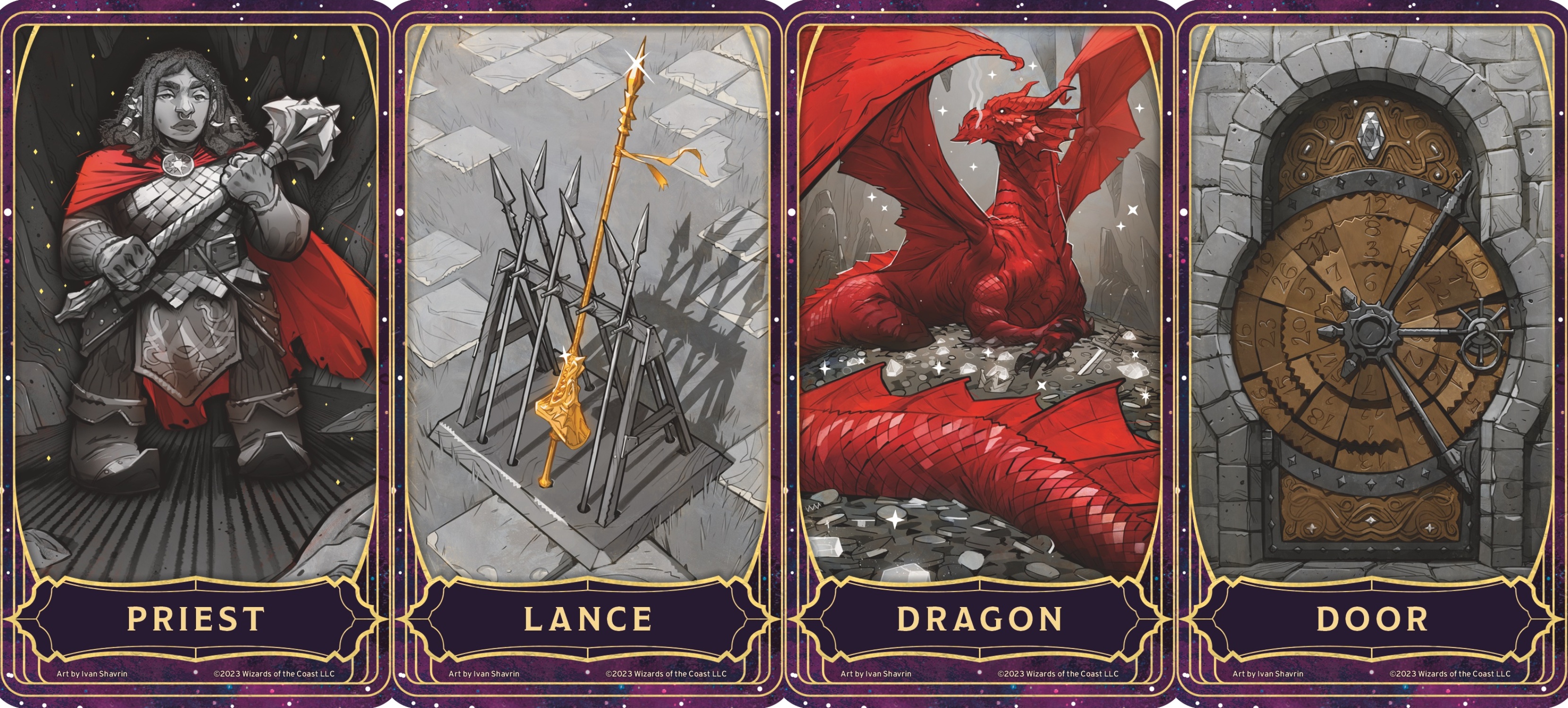
- Characters and heroes
- Treasures and other items
- Monsters (there’s a card for every creature type in the game!)
- Landmarks or other things you might encounter like a map, tower, doorway, cave, maze, etc.
So among these four archetypes, the expanded Deck is mostly balanced.
New Cards in the Deck of Many More Things
Dragon Card
An egg appears in front of whoever drew the card, and a Dragon Wormling hatches from it that perceives the card’s drawer as its parent. The DM chooses the color and type.
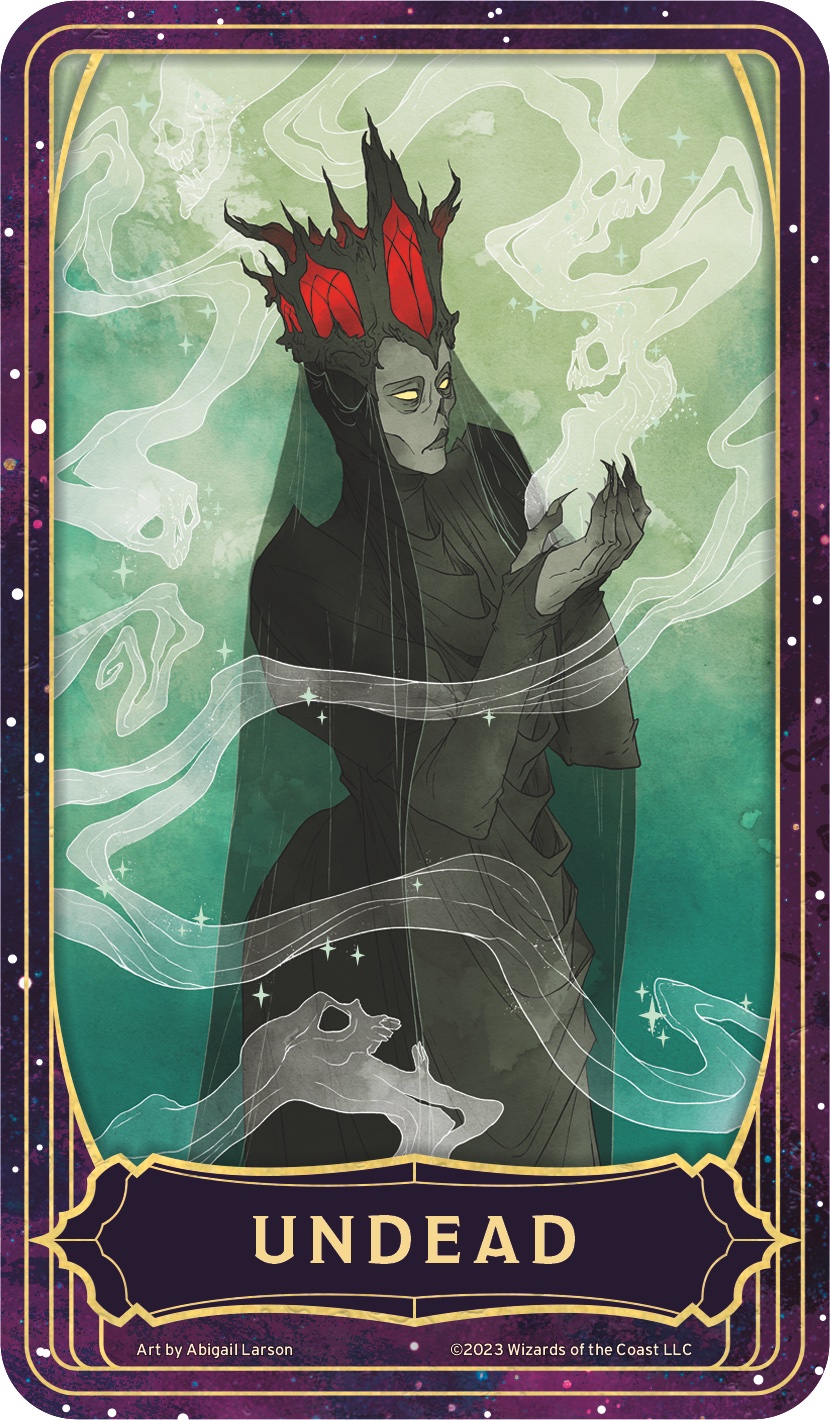
Undead Card
A Revenant appears on your plane of existence with you as its target, and the DM can decide where it is and how long it takes to confront the drawer.
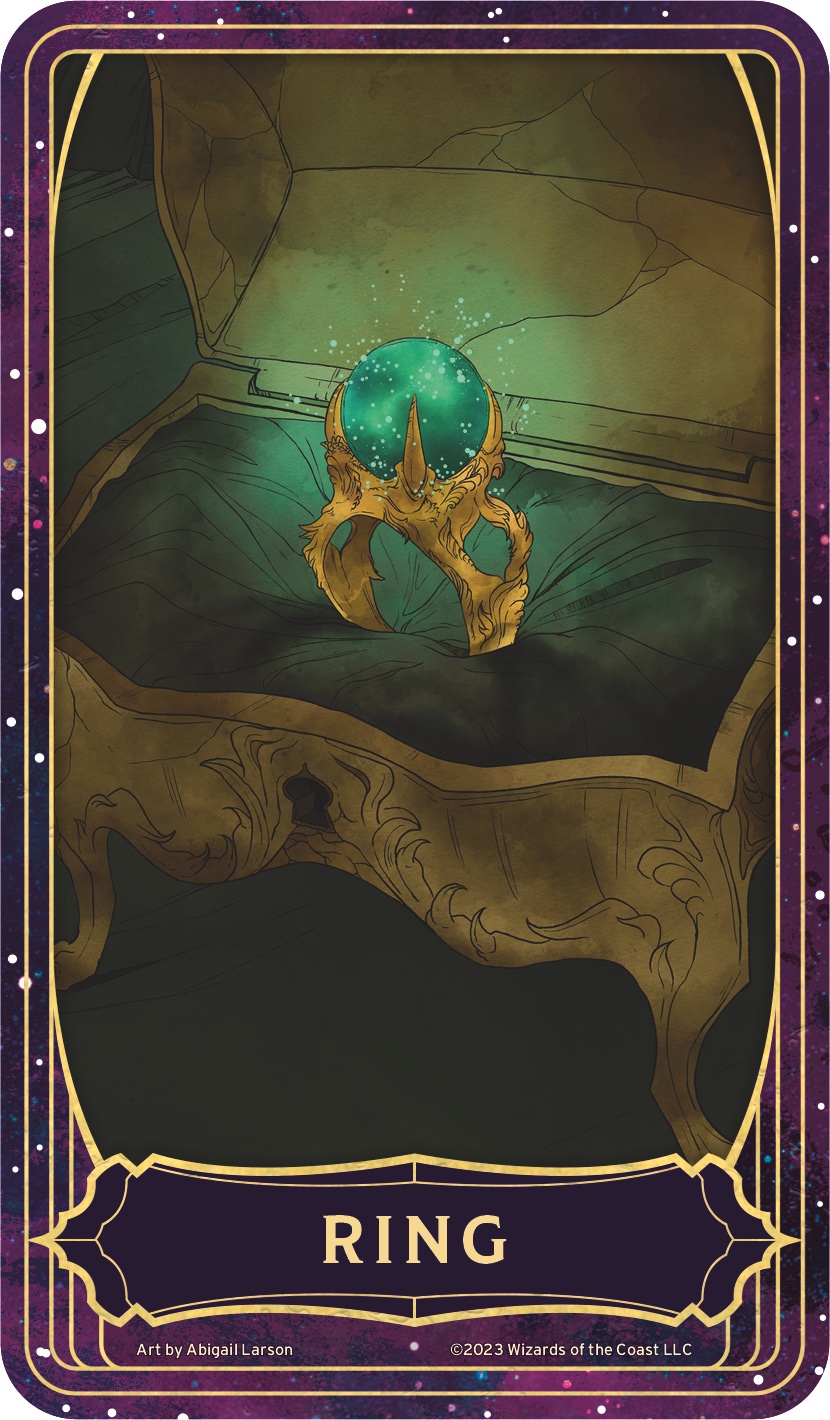
Ring Card
Similar to the Key Card that gives the drawer a magic weapon, the Ring Card expands the sorts of magic items awarded. Magic weapons aren’t all that useful if you’re some kind of mage, so this would instead give the drawer a magical ring.
Tower Card
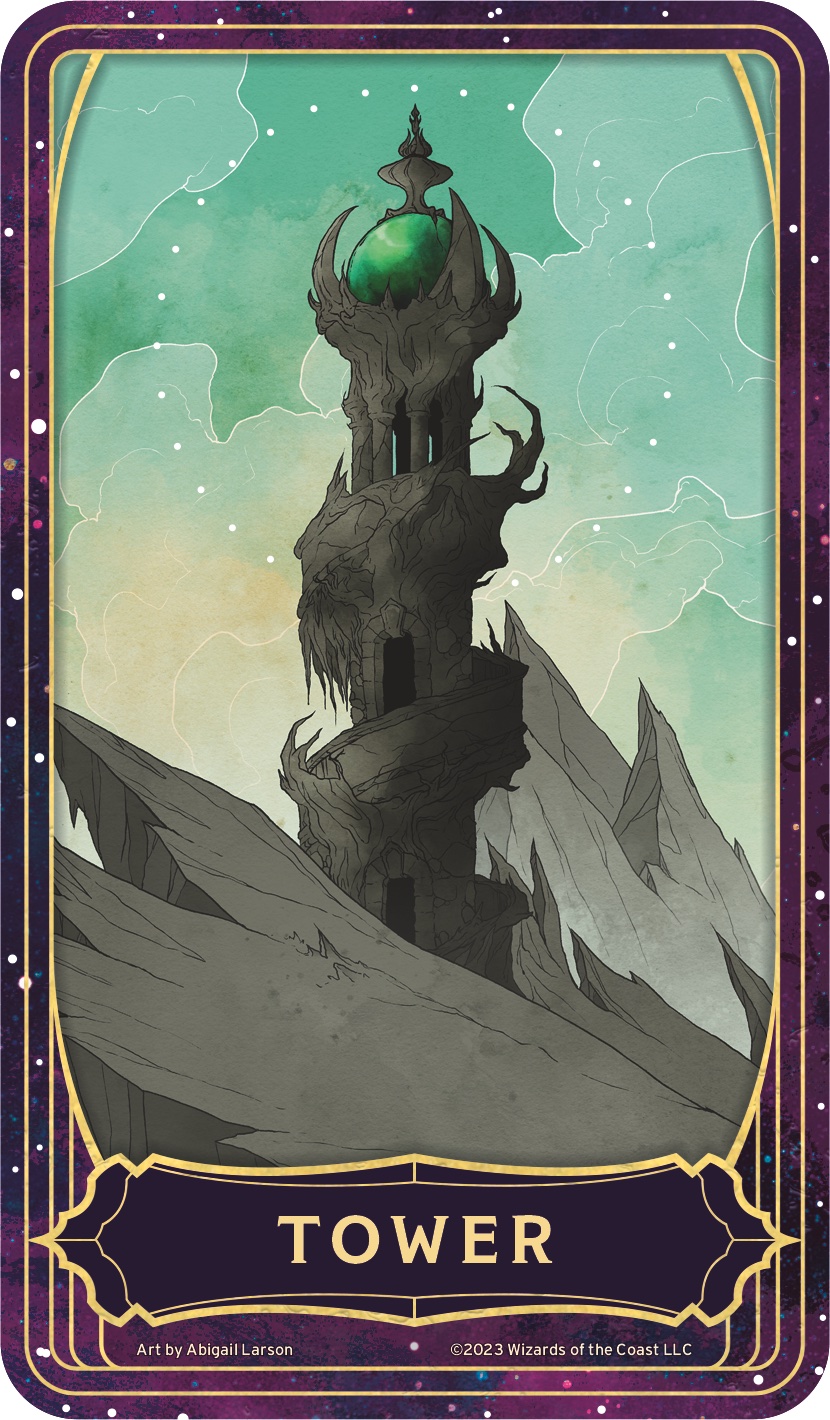
Draw two cards and choose your fate: Select one to use and put the other back into the Deck.
Other new cards confirmed based on all creature types being included:
- Aberration
- Beast
- Celestial
- Construct
- Elemental
- Fey
- Fiend
- Giant
- Humanoid
- Monstrosity
- Ooze
- Plant
How Does The Book of Many Things Work?
Each card in the expanded Deck of Many Things receives an entire chapter dedicated to the nuances of how it functions in gameplay.
Lead Design Jason Tondro used the Flames Card as an example: “If your players draw the Flames Card, they draw the anger of a powerful archdevil. Our Flames chapter gives you three powerful evil fiends, one for each evil alignment. They have different modus operandi and have different kinds of minions and adventures that they’re used for.”
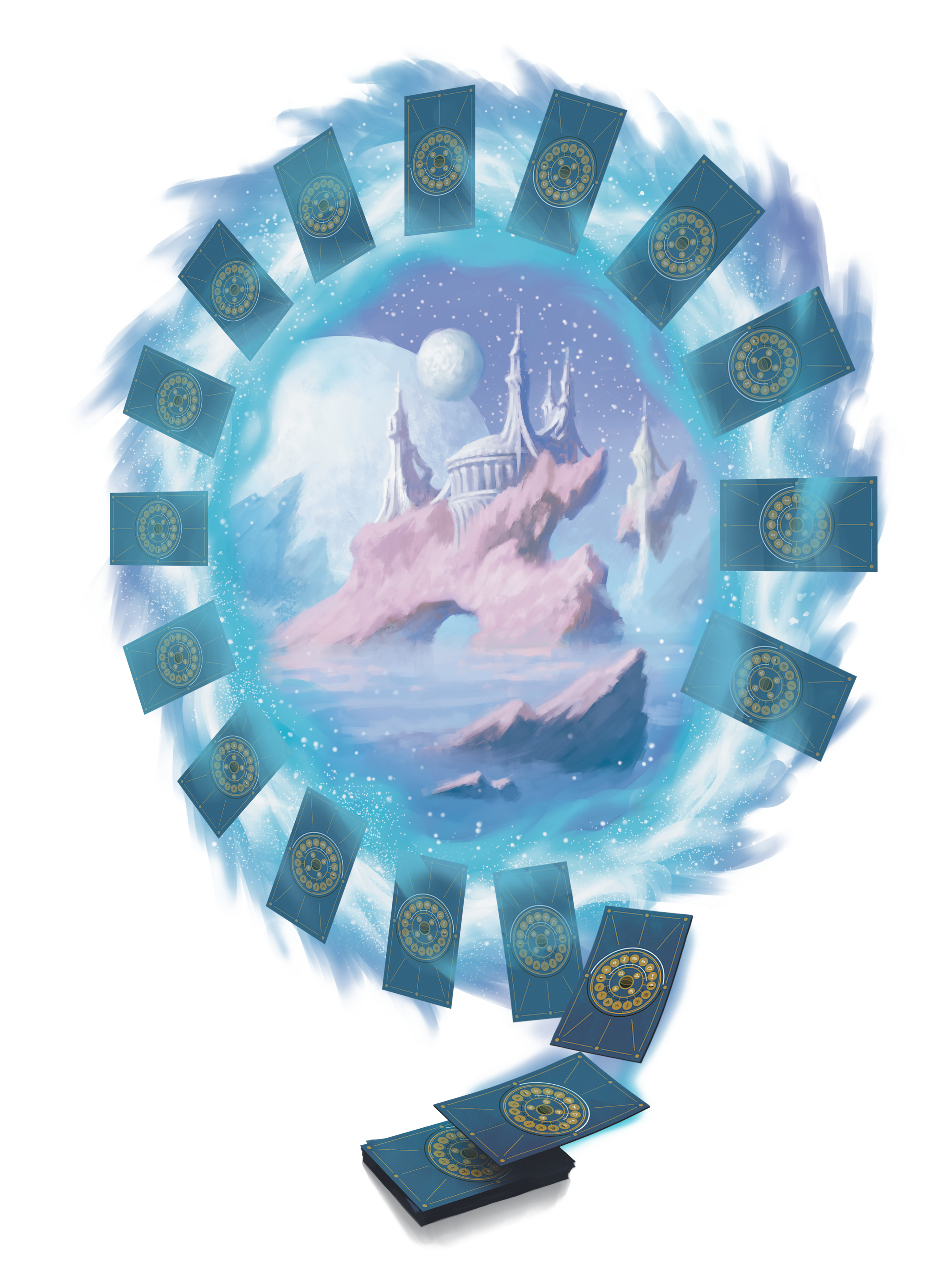
In a similar fashion, the Throne Card gives the drawer ownership over a keep.
“Turn to the Throne chapter and there’s the keep with all of the ghosts that haunt it,” Tondro said. “Here’s what you have to do to clear it out, and here’s who stays behind and becomes your helpful hirelings afterward.”
The various chapters make executing the functions of the Deck far easier than ever before. Previously, the DM would have to custom design an archdevil for the Flames Card or an entire castle dungeon for the Throne Card. But now, everything is provided for every card, and the various items, maps, etc. featured can easily be used in any capacity in-game.
Every single card in the entire Deck of Many More Things also functions as its own magical item. In other words, if a player owns a card in-game, it’ll give them a magical power that they can use each day. Collecting all of the cards could be an adventure in itself.

Also included are specific deck builds that DMs can recreate. Running a high-level adventure with characters who want an intense, unpredictable challenge? Shuffle up a “Deck of Horrors” that includes mostly negative effects. Want a Level 1 group to experience the thrilling chaos? Use mostly positive cards with one or two modest negative effects.
In terms of magic items, there are 22 items inspired by the original 22 cards. The Key Card inspired the Warrior’s Passkey as a key can unlock things and transform into various weapons.
What Is the Deck of Many Things Lore?
Up until now, the canonical origins of the Deck has been murky at best, but The Book of Many Things clears up the canon.
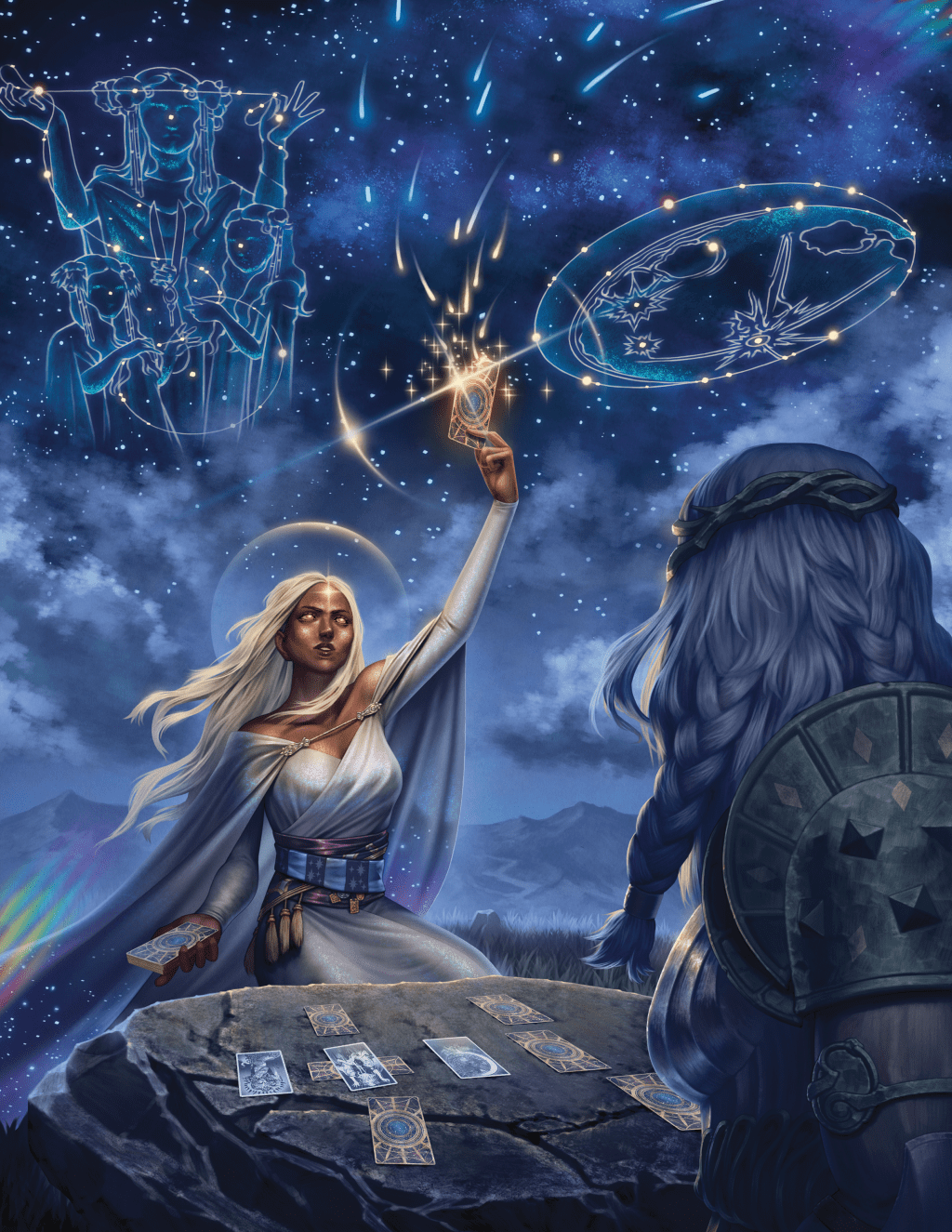
Istus, the Goddess of Fate, drew constellations down from the night sky and transformed them into these magical cards that can rewrite fate and reality so she herself could alter someone’s fate. There’s even a chapter that details the 12 constellations in the Sky of Many Things that essentially introduces astrology to D&D.
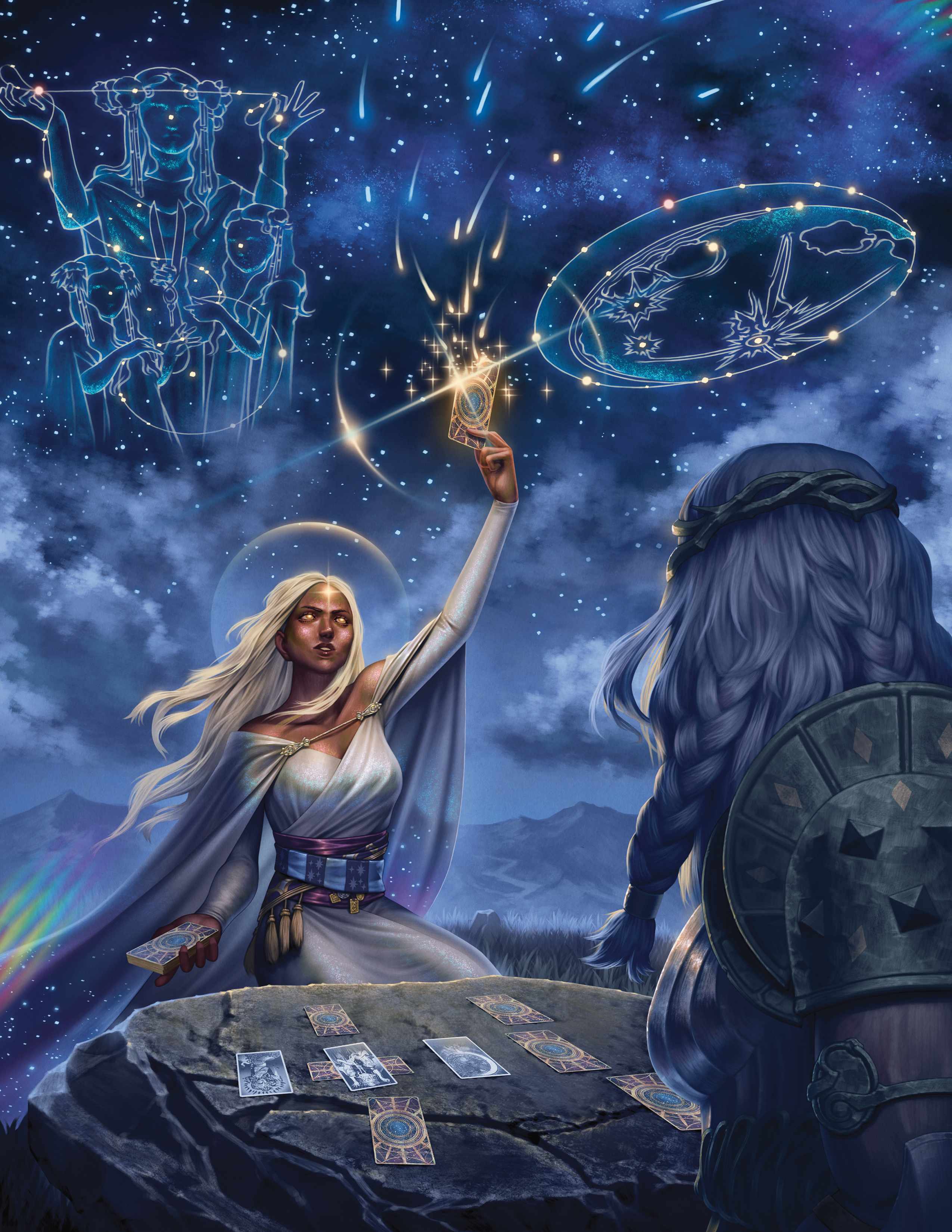
Your character can get their own star sign that comes with a prophesy, favorite animals or colors, and even a unique magical power that the player can use when their star sign is prominent.
The lore introduces two brand-new characters to explain the origins of that first Deck: A princess-turned-paladin named Asteria sought out Istus to save her dear friend Euryale, a kind and reclusive Gorgon Druid who falls on the autism spectrum. Their story is detailed in the Euryale chapter, a name which was part of the original Deck of Many Things but never had any lore attached.
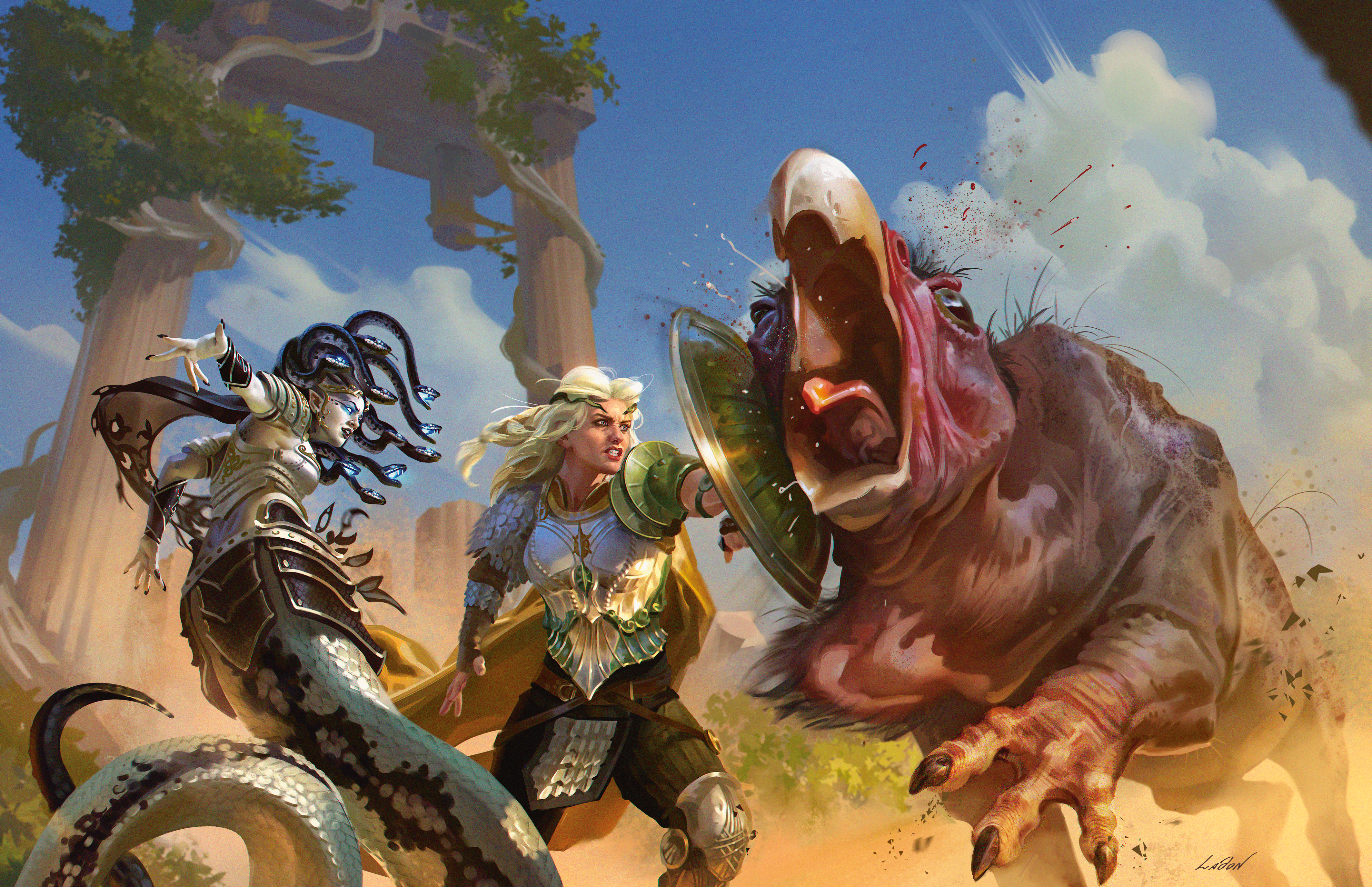
“The story itself deals with a lot of themes that are central to the idea of the Deck of Many Things,” De Armas said. “Themes of fate and destiny looking at the role and the story the world has defined for you and not only refusing it, but taking that story into your own hands and rewriting it on your own terms.”
These two have stat blocks and adventure hooks attached to them, along with a setting in the Outlands where they are from. It’s a place where players can find resources to help them undo some of the more negative effects from the Deck.
Character Customization Options
The one thing that The Book of Many Things does not have is any new subclass options. But it does have everything from new Feats and Backgrounds to all sorts of items.
The Cardomancer Feat (spelling unconfirmed) allows the player to use a Deck as an arcane focus and also put a single card up their sleeve to cast a spell as a bonus action.
There are also 22 character origin ideas for all character types and methods for drawing from the Deck to determine certain background elements. The two Backgrounds provided are predictable but perfectly suited to the campaign: The player has a previous encounter with the Deck of Many Things that either ruined their life or gave them a major boon.
A player with the Ruined Background may have had their soul stolen a millennia ago only for some accident to free them. Another with the Rewarded Background may have grown up as a scrawny human like the original Steve Rogers from Marvel Comics, but a boon from the Deck of Many Things gave them “superpowers,” transforming them into a brawny barbarian capable of adventuring.
—
Early Access to Digital Content on D&D Beyond for The Deck of Many Things set will be begin on October 31, 2023 with a full release on November 14, 2023.
 Snippets